CustomGPTs Get the Axe - Here’s What to Do Next
If you have built a Custom GPT to streamline valuation research, draft client communications, organize source materials, or standardize recurring analysis, now is the time to take inventory.
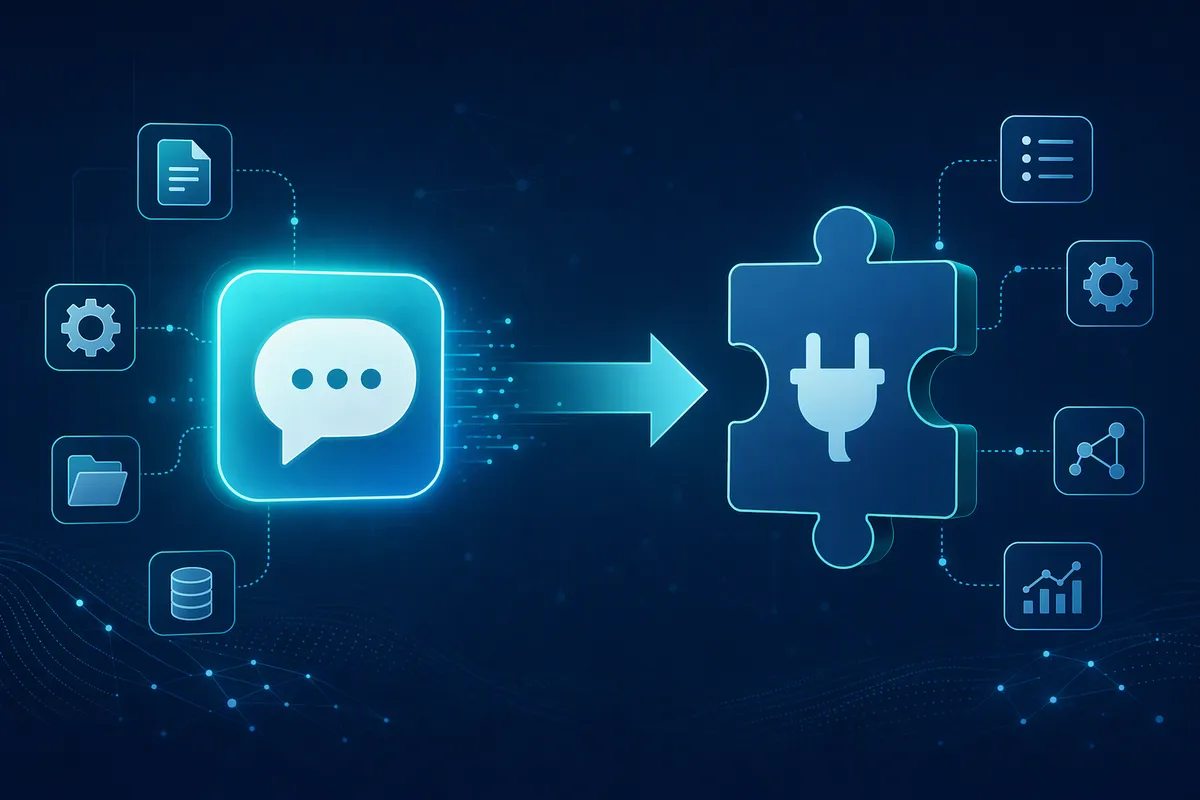
OpenAI is planning to retire Custom GPTs and move creators toward plugins—reusable packages that can combine instructions, reference files, and connected apps. For affected workspaces, the scheduled retirement date is December 11, 2026, although availability and timing can vary by account and workspace.
The good news: a migration path is planned. When it is available, creators can select “Migrate to plugin” from My GPTs. The GPT’s published instructions are expected to become a skill, while knowledge files are copied as plugin reference files. Connected apps can also be brought into the new plugin structure.
But migration is not a simple copy-and-paste exercise. Custom actions do not transfer automatically, sharing settings do not carry over, and the GPT’s selected model does not transfer. The migrated plugin begins privately, so it must be tested and then deliberately shared with the people who need it.
Watch this quick video to see how to migrate your Custom GPTs to Plugins
A sensible preparation checklist:
Identify the Custom GPTs your team actually relies on.
Save several representative prompts and outputs as test cases.
Review the GPT’s instructions, knowledge files, and connected services.
Document any custom actions or external integrations separately.
After migration, test ordinary work and at least one difficult real-world scenario.
Confirm users can access the replacement before directing them to switch.
For valuation and financial-advisory teams, this is also an opportunity to improve governance. A plugin can make a workflow more explicit: which reference materials it uses, which tools it can access, and who is responsible for keeping it current. Treat each migrated plugin like any other production work process—test it, assign an owner, and verify the output before relying on it in client-facing work.


